Applied cryptography research
Independent research and analysis.
Post-quantum migration, zero-knowledge proof systems, and open-source tooling. Original research and resources for practitioners. Standards-aligned, vendor-neutral, evidence-first.
FIPS 203/204/205
PQ-TLS
UK guidance
CBOM
The book
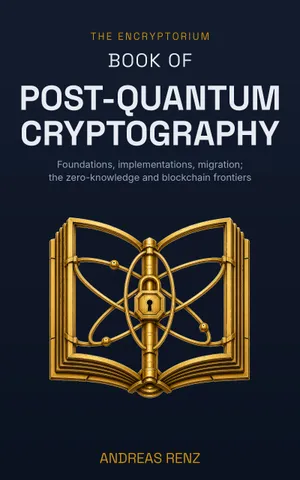
The Encryptorium Book of Post-Quantum Cryptography
Andreas Renz
Implement, migrate, and reason about post-quantum cryptography from the ground up.
Seven parts, from the quantum threat model through lattice-based, hash-based, code-based, and isogeny-based constructions to migration, deployment, post-quantum zero knowledge, and post-quantum blockchain. The ML-KEM, ML-DSA, and SLH-DSA implementations are checked against the official NIST vectors. Free to read online.
chapters
parts
verified code blocks
cited sources
Focus areas
What we work on
PQC migration
Standards tracking, adoption measurement, cryptographic inventory methods, and migration guidance. Aligned to NIST FIPS 203/204/205, NCSC timelines, and CycloneDX CBOM.
Explore →Post-quantum ZK
Security analysis of deployed zero-knowledge proof systems under quantum threat models. Layered vulnerability assessment across proof system, protocol, and application layers.
Explore →Open resources
Free post-quantum readiness assessment, curated reference library, PQC standards timeline, and open-source tooling. No gates, no paywalls.
Explore →Latest
Recent research
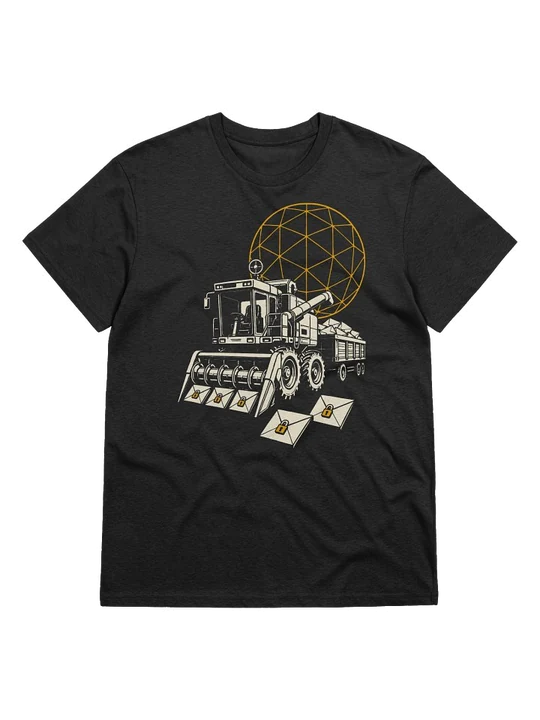
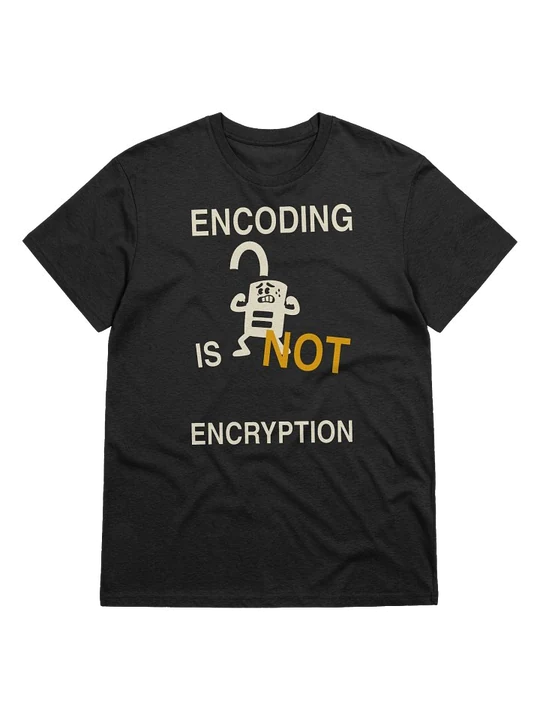
Fourteen cryptography ideas that fit on a shirt
Seven Things in Cleartext I Didn't Invent
Post-Quantum Risk in Deployed Zero-Knowledge Architectures: A Layered Analysis
Google Is Switching to ECDSA Certificates. That Is Not the Post-Quantum Migration.
Solana's quantum-readiness post: what the engineering shows, what the framing softens
Too much of the PQC market sells fear. Here is what practitioners should do first.
The shop
Seventeen shirts
Fourteen of the seventeen carry one idea from applied cryptography, and each listing sets that idea out in full rather than leaving it to the artwork. The other three are flagship pieces: the mark, the wordmark and the lockup.